

Beneath the Bubbles The Hidden Art of Fermentation in the Brewer’s Craft
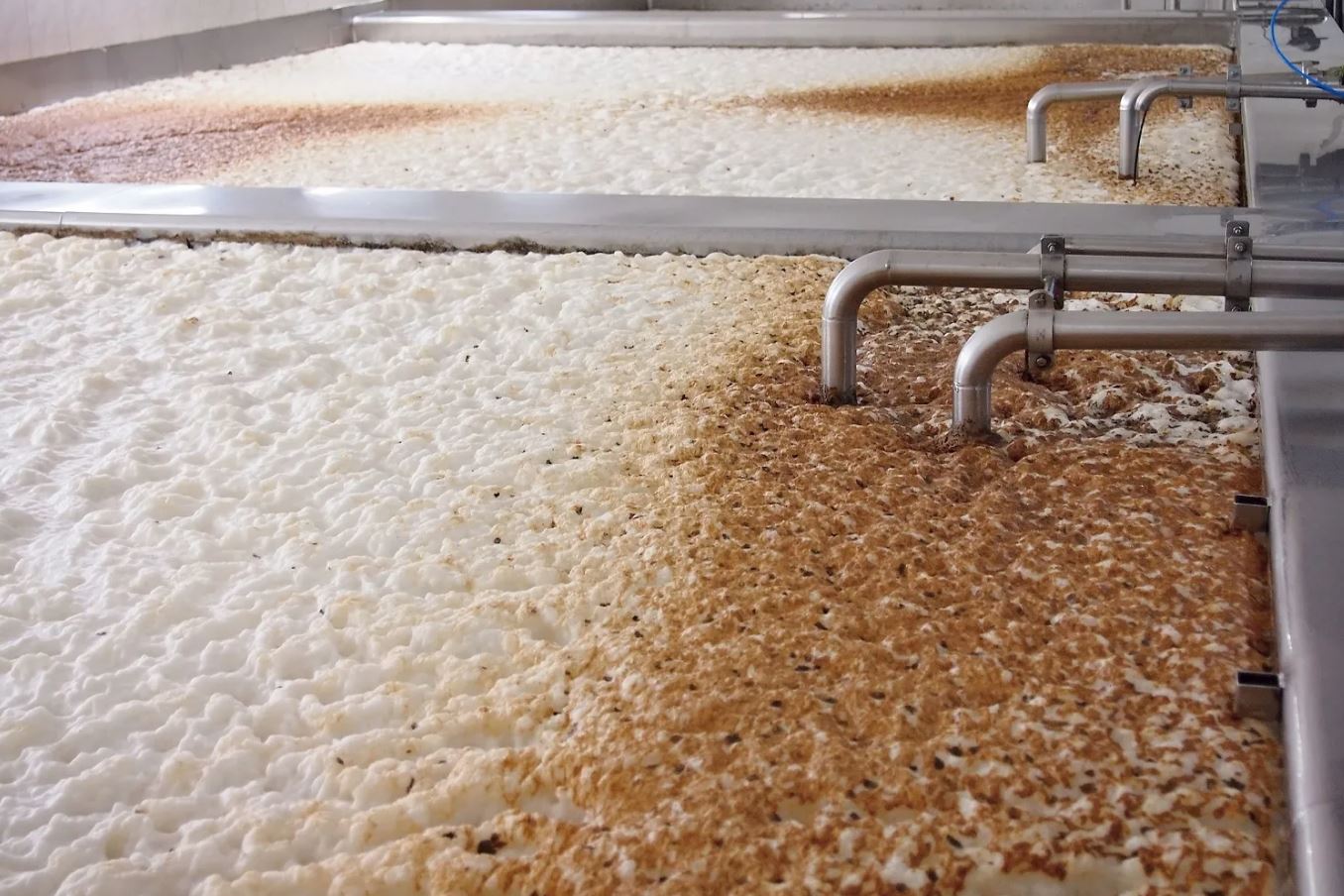
Unveiling the Biological Symphony that Transforms Grain and Water into Liquid Gold
The Living Heart of Every Brew
Behind every glass of craft beer lies a process both ancient and alive. Fermentation is the pulse that gives beer its spirit, converting sweet wort into a dynamic expression of flavor, aroma, and texture. It is not simply chemistry, but a dialogue between human intention and microbial intelligence. The brewer sets the stage by preparing malted barley, hops, and water, but once yeast enters the scene, nature takes control. Yeast consumes sugars, producing alcohol, carbon dioxide, and a wealth of aromatic compounds that define each beer’s character. This invisible transformation has fascinated humanity for millennia, not only for its alchemical beauty but also for its unpredictability. Each fermentation is a living event, shaped by time, temperature, and care. To master it is to understand life itself in liquid form.
The Origins of Fermentation as Ancient Magic
The earliest brewers did not understand the science behind fermentation, yet they recognized its power. In ancient Mesopotamia and Egypt, beer was regarded as a divine gift, a mysterious product of spontaneous transformation. Wild yeast from the air would settle on mixtures of soaked grains, and within days, the liquid would bubble and froth with unseen energy. This process was viewed as sacred alchemy, a sign that nature itself wished to collaborate with humankind. It took centuries before the invisible agents behind fermentation were identified. When Louis Pasteur discovered yeast’s role in the nineteenth century, he demystified what had once been considered magic, yet in many ways, the enchantment remained. Modern brewers continue to honor this legacy by treating fermentation as both a science and an art, blending precision with intuition just as their ancestors once did with reverence and faith.
Yeast The Silent Architect of Flavor
Of all ingredients in beer, yeast is the most misunderstood and most influential. Often referred to as the brewer’s soul, yeast is a single-celled organism that performs miracles on a microscopic scale. During fermentation, yeast consumes glucose, maltose, and other sugars produced during mashing, transforming them into ethanol and carbon dioxide. However, this conversion is only the beginning. As yeast metabolizes, it releases compounds that shape beer’s sensory experience. Esters bring fruity tones like banana, pear, or apple, while phenols contribute spicy or smoky hints. Different yeast strains behave like distinct personalities, each with preferences for temperature, oxygen, and nutrient balance. Ale yeasts thrive in warmer conditions, producing expressive and aromatic profiles, while lager yeasts prefer cooler environments, creating crisp, clean finishes. The art of brewing lies in pairing the right yeast with the right recipe, coaxing it to express its potential through environment and timing.
The Science of Transformation
Fermentation begins once yeast is introduced into cooled wort, initiating a series of biochemical reactions that reshape the liquid entirely. Initially, the yeast consumes dissolved oxygen to multiply and strengthen its cell walls. Once oxygen is depleted, it transitions to anaerobic metabolism, where alcohol and carbon dioxide become the primary byproducts. This stage, known as primary fermentation, can last from a few days to several weeks depending on style and temperature. During this time, the beer’s body, aroma, and clarity evolve. Secondary fermentation often follows, allowing residual sugars to be consumed and flavors to mature. Temperature control is essential, as even a few degrees can alter the balance between desired fruity esters and unwanted off-flavors. The brewer’s challenge is to maintain harmony, allowing yeast to express itself freely while guiding it toward perfection. The result is not static but alive, continuously evolving until the final pour.
Microbial Collaboration Beyond Yeast
While yeast is the primary agent of fermentation, other microorganisms play supporting roles that enrich the world of craft beer. In sour and wild ales, bacteria such as Lactobacillus and Pediococcus contribute lactic acidity, creating sharp, refreshing tangs that contrast with malt sweetness. Brettanomyces, often called Brett, introduces complex aromas reminiscent of leather, pineapple, or hay, depending on conditions. These organisms operate at different rates and prefer varied environments, which means brewers must exercise patience and precision when blending them. The balance between yeast and bacteria transforms simple ingredients into a tapestry of complexity that no artificial flavoring could ever replicate. This microbial collaboration illustrates nature’s ability to produce harmony from diversity. In embracing these unpredictable partners, craft brewers step into the role of conductor, orchestrating a living symphony that matures inside barrels, tanks, and bottles over months or even years.
Fermentation Vessels as Catalysts of Character
The container in which fermentation occurs is far more than a simple vessel. It influences oxygen exposure, temperature distribution, and microbial stability. Stainless steel tanks are preferred for modern precision brewing due to their cleanliness and control, while traditional wooden barrels lend depth and nuance through micro-oxidation and residual organisms embedded in the wood’s pores. Clay amphorae, once used in ancient brewing, are making a comeback in experimental breweries seeking to merge past and present. Open fermenters encourage yeast to interact with the environment, leading to unique characteristics unattainable in sealed systems. Each choice reflects philosophy as much as technique. A brewer focused on consistency may rely on steel, while one chasing wild complexity may turn to oak or clay. The vessel becomes part of the recipe, a silent collaborator that shapes both flavor and personality.
The Role of Temperature and Time
Temperature acts as a sculptor in the fermentation process. Yeast is highly sensitive to environmental shifts, and even minor variations can redefine a beer’s identity. Warmer fermentations encourage rapid metabolism, creating fruitier and more expressive beers. Cooler conditions slow activity, promoting subtlety and balance. Some brewers deliberately push yeast to its limits, producing wild flavors that challenge expectations. Others nurture stability through gradual, measured progression. Time, too, wields influence. Young beers often taste raw and unfinished, their components unintegrated. As fermentation continues, edges soften, and flavors merge into harmony. Extended conditioning periods allow byproducts such as diacetyl to dissipate, resulting in smoother textures. Patience becomes the brewer’s greatest virtue. A beer rushed to completion may disappoint, while one allowed to mature fully rewards both maker and drinker with depth and refinement that no shortcut can replicate.
Spontaneous Fermentation The Art of Surrender
In certain styles, brewers relinquish control entirely, allowing wild yeast and bacteria from the surrounding air to inoculate the wort naturally. This ancient technique, known as spontaneous fermentation, is the foundation of lambic and gueuze beers. The process begins by exposing hot wort to the open air in shallow vessels called coolships. Overnight, microorganisms native to the brewery and environment settle onto the liquid, beginning a slow and unpredictable transformation. Over months and years, the beer evolves into something impossible to duplicate anywhere else. The resulting complexity reflects not only ingredients but also geography, weather, and time. Each batch becomes a portrait of place, a liquid ecosystem shaped by invisible forces. This method requires humility, as brewers must accept unpredictability. Yet it captures the essence of fermentation as a partnership between human craft and the wild genius of nature.
Modern Innovations in Fermentation Control
Advancements in technology have given brewers unprecedented insight into the fermentation process. Digital monitoring systems now track gravity, temperature, and pressure in real time, allowing precise adjustments that ensure consistency across batches. Yeast management software records strain performance, helping brewers select and propagate the most effective cells. Biotechnologists are developing hybrid yeast strains capable of producing new flavor compounds or tolerating higher alcohol levels without stress. Some breweries experiment with non-traditional microorganisms such as wine yeasts or sake cultures to expand the boundaries of taste. Despite these innovations, the goal remains the same: to unlock the hidden potential within the fermenter. Technology serves not to replace artistry but to amplify it, giving brewers tools to understand their craft at a molecular level while preserving the soul that defines traditional fermentation.
The Sensory Symphony of Fermentation
As fermentation unfolds, it produces a kaleidoscope of aromas that signal progress and quality. Early stages release yeasty, bread-like scents, followed by waves of fruit, spice, and sometimes sulfur. These shifting aromas provide brewers with clues about yeast health and sugar conversion. Listening to the fermentation with one’s senses becomes part of the craft. The hiss of escaping gas, the warmth radiating from the tank, and the evolving bouquet all speak of transformation. Sensory observation remains indispensable, even in technologically advanced breweries. A brewer who knows the smell of a healthy fermentation can detect subtle deviations before instruments register them. This connection between human perception and biological process elevates brewing from industrial practice to living artistry, where every sense contributes to understanding the life within the tank.
Fermentation as Cultural Expression
Across the world, fermentation reflects regional identity. Belgian brewers cherish their wild yeast heritage, German brewers honor purity through controlled fermentation, and American craft brewers experiment freely with hybrid strains and mixed cultures. In each context, fermentation mirrors cultural philosophy. Where some societies value consistency, others celebrate spontaneity. The diversity of fermentation methods showcases humanity’s endless curiosity and adaptability. Brewers learn from one another, blending tradition with innovation, and sharing yeast cultures that cross continents and generations. Each brew carries echoes of history while pointing toward the future. The story of fermentation is not just biological but cultural, a testament to how humans have learned to collaborate with nature to create pleasure, sustenance, and identity in a single glass.
The Role of Patience and Intuition
Technology and measurement can only guide the brewer so far. True mastery of fermentation requires intuition born of experience. A skilled brewer knows when to wait and when to act, reading subtle cues invisible to instruments. The rhythm of bubbles, the scent of the airlock, or the appearance of foam all communicate messages that only time teaches one to interpret. Patience allows the yeast to perform at its own pace, respecting the organic flow of transformation. Rushing leads to imbalance, while waiting too long risks deterioration. The best brewers balance precision with instinct, trusting their senses as much as their data. This blend of art and discipline defines the heart of craft brewing. It is the difference between a beverage and an experience, between product and creation.
Environmental Influence on Fermentation Behavior
The environment surrounding a brewery can subtly shape fermentation outcomes. Air composition, water mineral content, and ambient temperature all contribute to yeast behavior. Even within the same strain, fermentation can differ from one region to another. Brewers often speak of their brewery’s microflora as part of its personality. In some cases, wild yeast colonies become permanent residents, adding trace signatures to every batch. Climate also plays a crucial role. Breweries in warm, humid areas must combat unwanted bacterial growth, while those in colder climates face challenges of sluggish yeast activity. Many brewers have turned to environmental design, building spaces that maintain ideal fermentation conditions year-round. These adaptations reflect how intimately beer is connected to its surroundings. Fermentation does not occur in isolation but as a dialogue between biology and environment, between science and sense of place.
Barrel Aging and the Continuation of Fermentation
Fermentation does not end once primary conversion is complete. In barrel-aged beers, it continues quietly over months or even years. The porous nature of wood allows oxygen to enter slowly, sustaining low-level microbial activity that deepens flavor complexity. Residual sugars interact with yeast and bacteria, producing subtle acidity, tannins, and layers of aroma. Oak barrels that once held whiskey or wine contribute their own notes of vanilla, spice, or fruit. The brewer becomes a caretaker, monitoring maturation rather than directing it. Each barrel develops its own personality, and blending them together requires skill akin to composing music. Barrel aging is fermentation extended through time, a slow conversation between beer and wood. The result is depth beyond freshness, a reflection of patience and reverence for transformation that never truly ends.
The Eternal Dance of Life in a Glass
Fermentation is more than the conversion of sugar into alcohol. It is the heartbeat of creation, the invisible dance that transforms simple ingredients into something greater than their sum. Within each fermenter, millions of living cells labor in harmony, guided by heat, water, and human intention. The bubbles that rise are not random but rhythmic, echoing the pulse of nature itself. Every sip of craft beer carries the legacy of this dance, connecting drinkers to the earth, to time, and to one another. The brewer’s art lies not in domination but in partnership with life. The story of fermentation is endless, for as long as there are grains to malt and water to boil, yeast will continue to sing its ancient song. In that quiet symphony, humanity finds both its history and its future, one living brew at a time.