

Rivers of Gold The Story of Humanity’s Passion for the Brewed Art
Through the World of Craft Beer and the People Who Keep Its Spirit Alive
The Birth of a New Brewing Renaissance
The world of beer has undergone a transformation that few could have predicted a few decades ago. Once dominated by mass production and standardized taste, the brewing industry began to change in garages, basements, and small town breweries where passionate enthusiasts decided that beer could be more than just a beverage. It could be art, community, and culture. The craft beer movement grew out of a rebellion against uniformity. It gave rise to an era where creativity mattered more than corporate branding, and where flavor became an act of personal expression. These early brewers were not only making beer, they were rediscovering ancient traditions and reinventing them for a modern audience that craved authenticity and flavor depth. Today, every pint poured from a small-batch keg tells the story of experimentation, heritage, and heart.
The Alchemy of Ingredients and Imagination
At the heart of craft beer lies a simple formula: water, malt, hops, and yeast. Yet in the hands of a skilled brewer, these four ingredients become an infinite canvas of possibilities. Each component carries its own voice. Water determines texture and mouthfeel, malt creates body and sweetness, hops introduce aroma and bitterness, and yeast defines character and soul. The modern brewer understands these ingredients not as limitations but as an orchestra of flavors waiting to be composed. Whether through caramel malts that add toffee undertones, wild yeast strains that evoke the rustic edge of farmhouse ales, or hop varieties that bring tropical brightness, each beer becomes a reflection of place and personality. The experimentation has no end. Brewers mix herbs, fruit, wood, and even coffee or cacao, producing hybrids that blur the line between culinary art and fermentation science. Craft beer thrives on curiosity, and that curiosity keeps it alive.
The Art and Science of Fermentation
Behind every pint of craft beer lies the ancient yet precise process of fermentation. This transformation is both mystical and measurable. Yeast consumes sugars and produces alcohol, releasing flavors that range from crisp and clean to complex and fruity. The brewer must balance temperature, timing, and technique to bring out the desired character. Too warm, and the yeast might rush, producing off flavors. Too cool, and the brew might stall. Master brewers describe this process as a dialogue with the living organism itself. Modern equipment can automate much of this, but the human touch remains vital. It is intuition that tells the brewer when the fermentation has reached harmony. Some brewers experiment with spontaneous fermentation, allowing wild yeast from the environment to shape the beer naturally. Others control every variable with precision instruments. Both paths reflect a devotion to craftsmanship that respects both nature and science.
The Rise of Local Flavor and Community Identity
What began as a small movement has now reshaped entire cities. Local breweries have become community hubs, where neighbors meet to share stories over glasses filled with creativity. Each brewery reflects its surroundings, from the grains sourced from nearby farms to the water drawn from local wells. The beer becomes a portrait of place. In coastal regions, brewers experiment with saltwater and citrus to evoke the ocean. In mountain towns, hearty stouts and smoked ales mirror the rugged landscape. The taproom itself becomes a gathering place that fosters connection and belonging. Local musicians play, artisans collaborate, and food trucks serve flavors designed to complement each brew. In this way, craft beer is more than an economic phenomenon. It is a cultural movement that brings people together around shared values of quality, authenticity, and respect for craft.
Global Inspirations and Cultural Exchange
The craft beer world may celebrate local pride, but it also thrives on global inspiration. Brewers constantly draw from international traditions to create something new. Belgian monks laid the foundations for complex fermentation styles, while German purity laws taught discipline in simplicity. British brewers perfected the balance between malt and hops, while American innovators broke every rule to create bold new identities. Today, collaborations cross borders effortlessly. A brewer in Tokyo might create a collaboration IPA with a team from Portland, while an African craft brewery experiments with indigenous grains like sorghum or millet. This cultural exchange strengthens the global craft community, proving that creativity knows no boundaries. Every collaboration is a dialogue between histories, regions, and philosophies of taste. Craft beer, at its best, celebrates difference while creating common ground.
The Influence of Terroir in Brewing
Just as wine has terroir, so too does beer. Terroir refers to the environmental factors that influence flavor. The soil, climate, altitude, and even air quality can alter the final character of the drink. For craft brewers, this concept opens new doors to creativity. A hop grown in Oregon will differ dramatically from the same variety cultivated in New Zealand. Barley malted in Scotland may express sweetness differently than one grown under the sun of Argentina. Brewers who understand terroir can create beers that tell the story of their land. Some breweries even age their beer in local caves or use native yeast strains to reinforce regional identity. The result is a deeper connection between the drinker and the origin of the beer, transforming each sip into a sensory journey across geography and culture.
The New Frontier of Barrel Aging
Few techniques capture the imagination of craft beer enthusiasts like barrel aging. The method, once used for storage, has evolved into an art form. Brewers age their creations in oak barrels that once held whiskey, rum, wine, or even maple syrup. Over time, the beer absorbs subtle notes from the wood and previous contents. This layering of flavors adds depth and complexity impossible to achieve by any other means. A stout aged in bourbon barrels may take on vanilla, smoke, and caramel notes, while a sour aged in red wine casks might gain hints of dark fruit and earthiness. Barrel aging also introduces time as a collaborator. As the beer matures, its flavor evolves, mellowing harsh edges and deepening in character. Some breweries dedicate entire cellars to this process, treating it as a sacred act of patience and discovery.
Technology and Tradition in Balance
Modern craft breweries exist at the intersection of ancient knowledge and cutting-edge innovation. Temperature-controlled fermenters, digital hydrometers, and precision pumps ensure consistency and safety, while centuries-old techniques maintain authenticity. The most respected brewers know that technology should enhance, not replace, the human touch. Machines can measure gravity and carbonation, but only a brewer’s palate can decide when the beer sings. This harmony of old and new defines the current era of brewing. It allows small breweries to compete globally while preserving individuality. Some even experiment with artificial intelligence to predict flavor pairings, while others return to hand-crafted, fire-heated kettles to honor tradition. This coexistence proves that progress and heritage need not conflict. They can coexist, enriching each other in pursuit of the perfect pour.
Women and the Return to Brewing Heritage
Long before beer became industrialized, brewing was largely the work of women. Known as alewives or brewsters, they made beer for homes, villages, and celebrations. The rise of commercial brewing pushed many of these women out of the craft, but the modern revival is changing that narrative. Across the world, women are reclaiming their place in breweries, laboratories, and leadership roles. They are redefining the image of the brewer as inclusive, creative, and diverse. Their perspectives bring fresh approaches to flavor and storytelling, often blending brewing with sustainability, design, and education. Organizations now support women in brewing through mentorship and collaboration, celebrating a heritage that was once forgotten. The craft beer community thrives on diversity, and this resurgence of female leadership restores balance to an industry that began with them.
Craft Beer and Culinary Innovation
Craft beer has entered the world of fine dining, creating a new language of pairing and presentation. Chefs and brewers collaborate to design menus where flavor, texture, and aroma complement each other. A crisp pilsner might cut through the richness of roasted pork, while a dark porter enhances the sweetness of chocolate desserts. Beyond pairing, beer itself becomes an ingredient. Brewers age beer with vanilla beans, cacao nibs, or coffee to mimic dessert flavors, while chefs use beer reductions and glazes to create savory complexity. The culinary world now regards beer with the same respect once reserved for wine. Festivals, tasting dinners, and brewing competitions blur the line between kitchen and brewhouse, uniting artists of taste under one philosophy: that flavor is a form of storytelling.
The Economics and Ethics of Independent Brewing
Behind the romantic imagery of craft beer lies a struggle for survival. Small breweries face rising ingredient costs, competition from global giants, and complex regulations. Yet they persist because they believe in their mission. Independence is not just a marketing slogan but a statement of integrity. Many breweries adopt ethical practices such as fair trade sourcing, renewable energy use, and community reinvestment. They see their success as intertwined with local well-being. Crowdfunding, cooperative ownership, and direct-to-consumer models have allowed small brewers to maintain independence without sacrificing creativity. For many, the goal is not to dominate markets but to inspire others. The craft beer economy values collaboration over competition, proving that sustainability and artistry can thrive together when guided by purpose rather than profit alone.
Social Connection and the Spirit of the Taproom
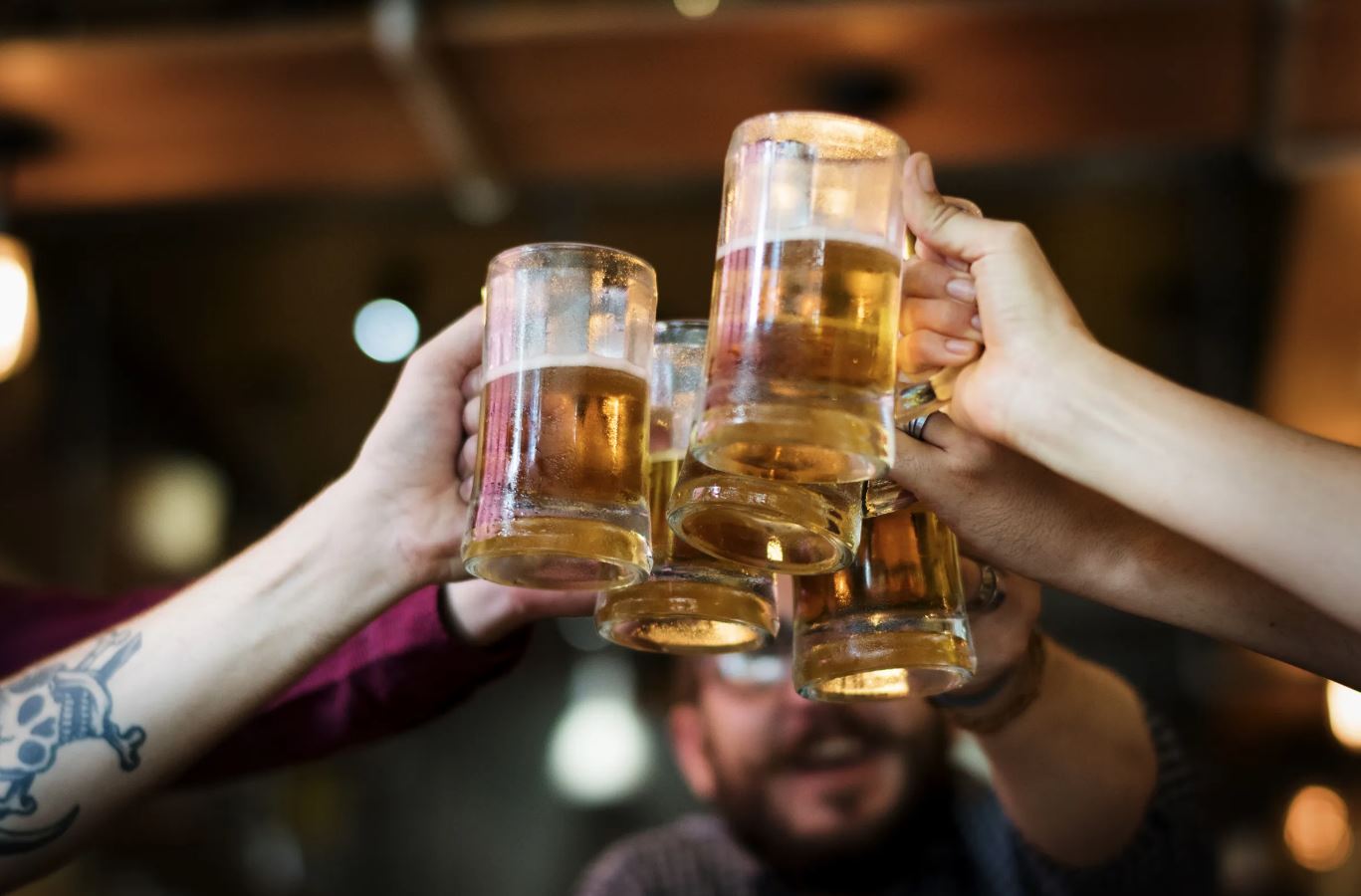
The taproom is the beating heart of craft beer culture. It is where ideas ferment, friendships form, and stories flow as freely as the brew. Unlike the anonymity of large bars, taprooms foster intimacy. Guests can talk directly to brewers, watch the process unfold, and share tasting notes with strangers who soon become companions. Many breweries design their spaces to encourage interaction through communal tables and open layouts. Events such as trivia nights, art exhibitions, and charity fundraisers turn these venues into local sanctuaries of social connection. The taproom restores a sense of community often lost in digital life. Each pint shared within its walls becomes a toast to the human bond, reminding people that craft beer is not only about taste but about togetherness.
The Influence of Music and Art in Beer Culture
Art and music have always accompanied great brews. From the intricate label designs that adorn bottles to the playlists curated in breweries, creativity shapes the entire experience. Some breweries collaborate with artists to design murals that tell the story of their brand. Others partner with musicians, releasing special edition beers inspired by albums or tours. The connection between craft beer and artistic expression runs deep because both share the same foundation: passion, experimentation, and emotion. Just as a brewer balances bitterness and sweetness, an artist balances color and texture, and a musician balances melody and rhythm. Together they create immersive worlds where all senses engage. The beer becomes not just something to drink but something to feel, to hear, and to see.
The Golden Future of the Craft
The story of craft beer is far from complete. It continues to evolve with every new recipe, every collaboration, and every drinker who discovers the joy of flavor beyond expectation. The future holds both challenge and promise. Climate change may reshape ingredients, but human ingenuity will adapt. New generations will bring technology, diversity, and sustainability to the forefront. What will remain constant is the spirit that began it all: a love for honest craftsmanship and the belief that something made with care will always taste better. The rivers of gold that flow through taps across the world are more than beverages. They are symbols of human creativity and connection. Every pour tells a story of past and present, of passion and patience, of people who found joy in turning grain and water into something extraordinary. The golden future of craft beer glows brightest when shared.