

The Language of Taste Hidden Beneath the Steam
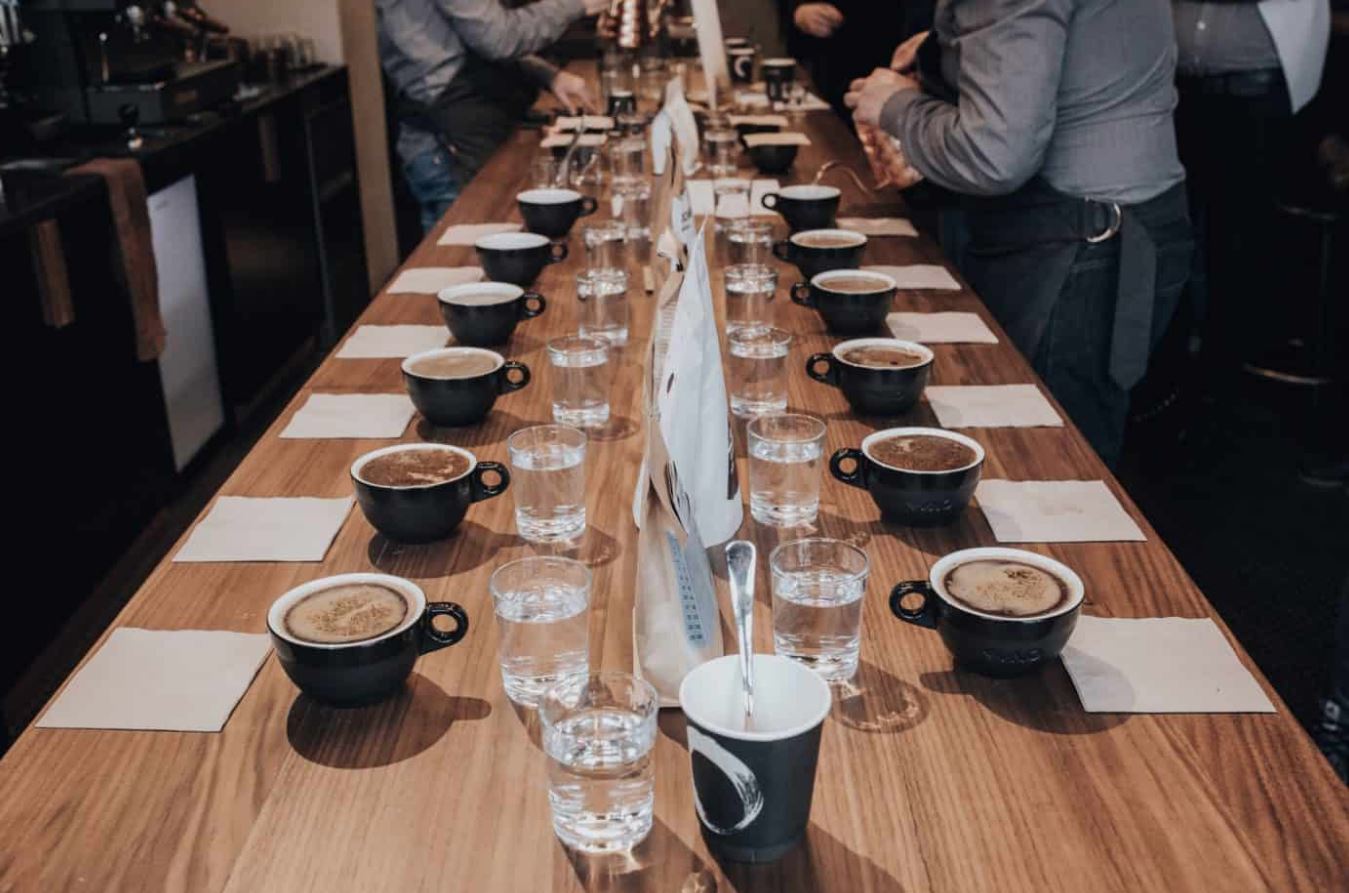
Coffee Cupping Transforms Flavor Into a Vocabulary of the Senses
The Conversation Begins With Aroma
Before a word is spoken, coffee begins to communicate through fragrance. In a quiet room filled with steaming cups, the first inhale tells a story of geography and time. The scent of a bean from Guatemala may rise with crisp citrus, while one from Indonesia releases humid spice and earth. In that moment, the taster listens with the nose. Coffee cupping is not merely an evaluation process; it is a dialogue between the human mind and the invisible compounds that shape taste. The exercise demands stillness and attention. Every fragrance note becomes an expression, every wisp of steam a sentence in a larger sensory language. Those who participate are not only measuring quality, they are learning to interpret something intangible, a message that speaks in scent rather than sound.
Rituals That Give Meaning to Flavor
Cupping follows a sequence that has barely changed for generations. Each cup is prepared under identical conditions to remove bias, yet each one feels alive, unique, and personal. The participants gather around a table of freshly ground samples, each bearing its own texture and tone. Water meets coffee, and a crust forms at the surface, sealing in aroma. When that crust is broken, the room fills with the raw essence of the bean, as if the cup itself has taken a breath. The process looks mechanical to outsiders, but to the experienced cupper, every step is charged with significance. The spoon becomes an instrument of interpretation. The slurp that follows is not a gesture of noise but of analysis, spreading flavor across the entire palate to uncover nuance. The ritual connects the act of tasting to something ancient and enduring, transforming repetition into reverence.
When Taste Becomes a Shared Lexicon
In the world of coffee, cupping is how people learn to speak with precision. Words like "bright," "balanced," or "savory" become units of measure, tools for conversation rather than decoration. Two tasters on opposite sides of the planet can describe the same sample and understand each other perfectly. This shared lexicon did not appear overnight; it grew from decades of calibration, discussion, and collective refinement. It gives professionals the ability to communicate what would otherwise remain subjective experience. The structure of this vocabulary helps bridge perception and data, turning personal impressions into a framework others can interpret. Through this, cupping creates not only consistency but culture. It unites people who have never met by giving them a common sensory grammar, one that transcends language barriers and geographical divides.
The Education of the Palate
Learning to cup coffee is an apprenticeship in observation. Beginners often struggle to name what they taste, finding only “coffee” where complexity hides. Over time, patterns emerge. Acidity starts to resemble fruits, bitterness transforms into structure, and sweetness begins to resemble color. The act of naming these sensations changes the way one perceives them. It is as if learning vocabulary sharpens the senses themselves. Skilled cuppers can separate a fleeting floral note from the heavier body beneath it, or distinguish between two origins by their finish alone. This ability is not innate, it is trained through repetition and reflection. Each session is both study and meditation, teaching the participant to slow down and engage every sense with purpose. The more one practices, the more fluent they become in the language that taste teaches.
Emotion Beneath Precision
Although the structure of cupping is scientific, emotion always finds its way into the room. There is awe in discovering a coffee that feels alive, or sadness in tasting one that lost its potential. For many professionals, cupping is a daily task, yet it still carries the weight of discovery. The senses, when engaged at such depth, awaken memory and feeling. A single aroma can recall the landscape of childhood or the texture of rain on a distant morning. Cupping becomes a form of storytelling, where each sample carries the labor, soil, and climate that created it. Behind the numbers and descriptors lies empathy. To taste coffee deeply is to recognize the people and land that shaped it. This emotional undercurrent gives the practice warmth and humanity, balancing its technical side with quiet reverence.
The Hidden Architecture of the Senses
What happens during cupping is both chemical and poetic. Flavor is built from countless molecules interacting with the taster’s senses. Some react to temperature, others to air exposure, creating an evolving experience from the first sip to the last. The human body decodes this information through smell and taste receptors, then blends them into perception. What we call “flavor” is not a simple fact, it is a synthesis of memory, attention, and biology. Cupping formalizes this process, teaching tasters to identify where these sensations come from and how they interact. By mapping the relationships between aroma, acidity, and texture, the cupper begins to see taste as architecture, a structure of sensations balanced by contrast and harmony. The mind constructs meaning through the senses, turning data into experience and experience into understanding.
The Weight of Silence in a Cupping Room
During a cupping session, conversation fades until only the rhythm of tasting remains. Each slurp and pause carries its own kind of communication. Participants write quietly, marking observations with care. There is respect in that stillness. It allows concentration to deepen, letting subtleties surface that might otherwise disappear in noise. Silence acts as a conductor, organizing perception. In its presence, attention heightens and the taster begins to notice balance, texture, and transition. This quiet discipline distinguishes cupping from casual tasting. It reminds everyone involved that coffee, though common, holds depth worth listening to. The silence surrounding the act becomes part of its ritual power, proof that language does not need to be spoken to exist. In that shared stillness, meaning grows without words.
How Culture Shapes Perception
No one tastes in isolation. Cultural background influences how flavor is described, understood, and valued. What one region calls “fruity,” another might call “acidic.” Cupping offers a neutral ground where these perspectives meet and reconcile. Through repeated sessions, a collective standard emerges, but variation remains its strength. When tasters from different countries share the same table, they also share their senses, expanding the boundaries of description. This exchange strengthens global coffee culture by inviting dialogue rather than uniformity. The language of cupping continues to evolve with each generation, shaped by new palates, new regions, and new interpretations. It thrives because it is not static. Instead, it reflects the diversity of those who practice it, carrying cultural identity within every term and tone of expression.
Bridging Science and Intuition
Modern cupping combines analytical accuracy with instinctive sensitivity. Technology assists through refractometers, tasting grids, and quantitative measurements, yet these tools never replace the human element. Machines can record data but cannot interpret emotion or atmosphere. A seasoned cupper relies on intuition, the subtle cues that come from years of attention. The way a coffee coats the tongue or lingers in the throat may reveal as much as any instrument can. Balancing both sides, the scientific and the intuitive, defines mastery. The cupper stands between measurable fact and sensory interpretation, bridging the objective and the poetic. Their craft proves that analysis and feeling are not opposites but complementary ways of knowing. Cupping is where science meets art and neither dominates the other.
Why Cupping Still Matters
In an era of automation and instant convenience, cupping stands as a slow ritual that refuses haste. It reminds people that real understanding takes time. The process cannot be rushed without losing what makes it valuable. Each spoonful requires patience and intention, two qualities that are fading from modern routines. The act itself becomes an anchor, connecting contemporary coffee culture to its agricultural roots. Farmers, traders, and roasters all rely on this shared process to define quality, build trust, and improve craft. More than that, cupping nurtures humility. It reminds every participant that mastery lies not in knowing everything, but in staying attentive enough to keep learning. Its endurance speaks to its truth, it remains vital because it still teaches what no shortcut can replicate.
The Taste That Speaks Without a Voice
When the session ends and the last notes fade, what remains is understanding carried through flavor. Cupping transforms tasting into translation, teaching that perception itself is a kind of dialogue. Each cup reveals something larger than itself, a connection between human attention and natural expression. The vocabulary may continue to change, but the purpose does not. It exists so that those who love coffee can listen more deeply. In that act of listening, meaning arises where none was spoken. The coffee communicates, the taster interprets, and together they form a language without a script. It is a reminder that the senses are capable of eloquence far beyond words, and that every cup, when tasted with care, holds the power to speak in its own quiet voice.