

Liquid Precision The Hidden Art of Mastering Espresso Extraction
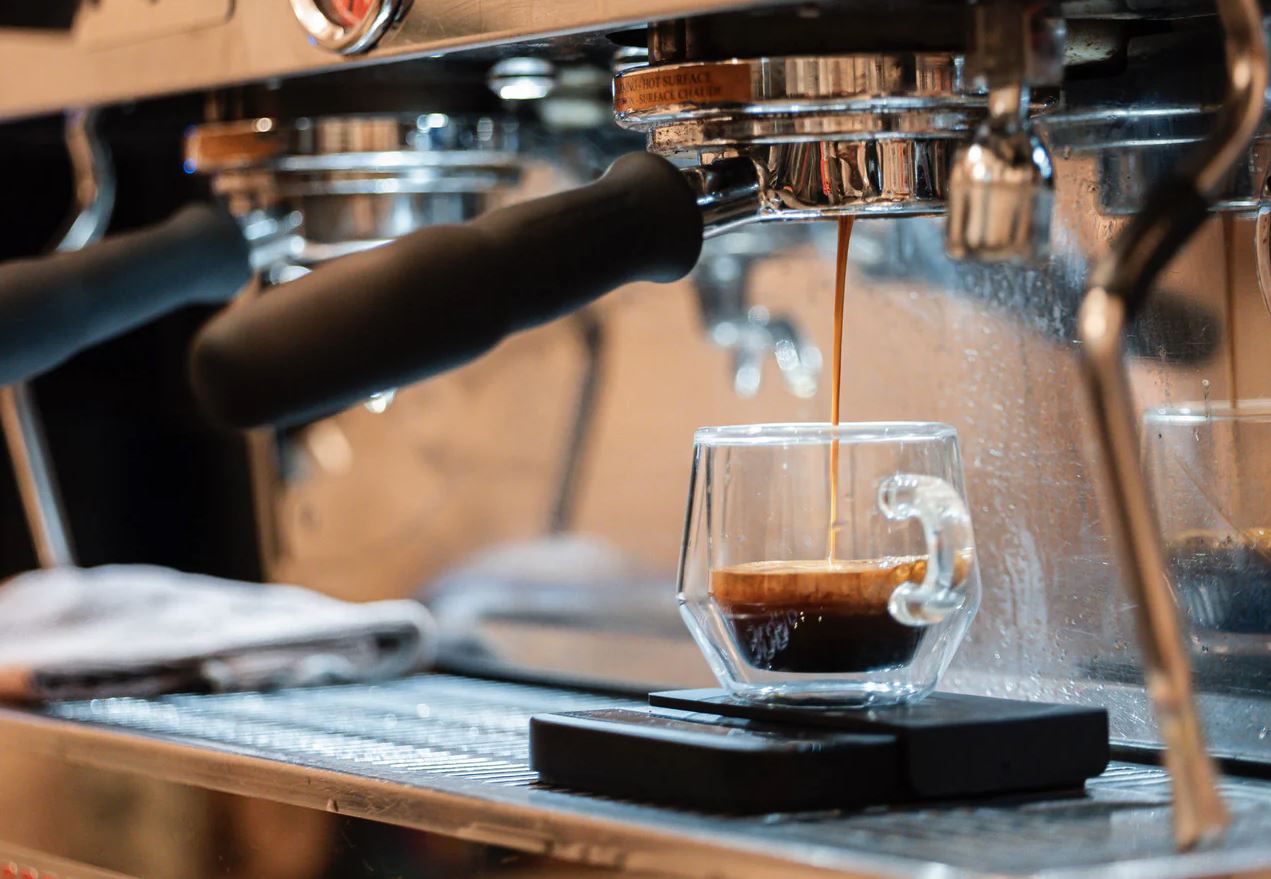
Exploring the Balance of Science, Technique, and Intuition in the Pursuit of the Perfect Shot
The Birth of an Obsession
Espresso has long stood as the pinnacle of coffee craftsmanship, a drink that embodies both simplicity and complexity in a single concentrated cup. It is not just coffee under pressure; it is a harmony of chemistry, physics, and artistry. The idea of forcing hot water through finely ground coffee originated in Italy at the beginning of the twentieth century, when inventors sought a faster, more efficient brewing method. Over time, espresso evolved from a utilitarian beverage into a cultural ritual, admired for its texture, intensity, and flavor depth. Today, baristas around the world dedicate years of study to understanding how grind size, water temperature, pressure, and extraction time interact. Behind every perfect shot lies a combination of precision engineering and human intuition. It is a process that demands patience, sensory awareness, and respect for every variable that influences the outcome.
The Anatomy of Espresso
To appreciate the craft of extraction, one must first understand what espresso truly is. At its core, espresso is a concentrated coffee brewed under high pressure, typically around nine bars, for a short duration of twenty to thirty seconds. The result is a dense, syrupy beverage layered with crema on top, a golden foam that signifies proper emulsification of oils and gases. Beneath the crema lies the heart of the espresso, rich in dissolved solids, sugars, and aromatic compounds. These elements combine to form a complex sensory experience that balances sweetness, acidity, and bitterness. Unlike other brewing methods, espresso extracts flavors rapidly, which means small adjustments can produce dramatic differences in taste. A shot that is too short may taste sour and thin, while one that runs too long becomes bitter and harsh. True mastery lies in the ability to manipulate these parameters until balance is achieved.
The Role of Grind Size
Grind size is one of the most crucial variables in espresso extraction. The coffee grounds act as a filter bed, controlling the flow of water and the rate of extraction. Finely ground coffee creates resistance, slowing the water and allowing more contact time, which enhances body and flavor depth. However, if the grind is too fine, the result can be over-extraction, producing bitterness and dryness. On the other hand, a coarse grind allows water to flow too freely, leading to under-extraction and a weak, acidic profile. The challenge is to find the grind size that allows even extraction across all particles. This requires not only a precise grinder but also consistent technique in dosing and tamping. Professional baristas calibrate their grinders throughout the day, compensating for humidity, temperature, and bean age. The grind, though invisible to the customer, is the foundation upon which espresso quality is built.
Water as the Silent Partner
Water is often the most overlooked ingredient in espresso preparation, yet it plays an integral role in flavor development. Approximately ninety percent of espresso is water, and its composition determines how effectively it extracts compounds from coffee. The ideal water for espresso has a balanced mineral content, providing sufficient hardness to carry flavor without imparting unwanted taste. Too soft, and the coffee may taste flat or dull. Too hard, and it can emphasize bitterness and scale equipment. Temperature also influences extraction chemistry. Most espresso machines operate between ninety and ninety-six degrees Celsius, a narrow range that demands stability. A few degrees too low results in sourness, while excessive heat burns the grounds, yielding acrid flavors. The best baristas treat water as both an ingredient and a tool, understanding that its chemistry must harmonize with the coffee to unlock the full potential of the bean.
The Pressure Principle
Pressure is what differentiates espresso from other brewing methods. It is the force that drives water through compacted coffee grounds, emulsifying oils and suspending fine particles that contribute to mouthfeel. Traditional machines operate at around nine bars of pressure, but the journey of pressure is dynamic rather than static. The process begins with pre-infusion, where low pressure gently saturates the puck, allowing gases to escape and ensuring even extraction. Once the full pressure is applied, water moves uniformly through the bed, dissolving soluble compounds in a precise sequence. Sugars and acids extract first, followed by bitter compounds if the shot runs too long. The barista’s control of pressure, whether through machine programming or manual levers, determines how the flavor develops in real time. Mastery of pressure control transforms espresso from a technical beverage into a tactile expression of the barista’s skill.
Tamping and Distribution
The act of tamping may appear simple, yet it has profound effects on extraction uniformity. When a barista compresses the coffee puck with even force, they create resistance that guides water through evenly. An uneven tamp, or improper distribution of grounds, can lead to channeling, where water finds paths of least resistance, over-extracting some areas and under-extracting others. The result is inconsistency in taste and texture. Proper tamping requires consistency in both pressure and technique. Professional baristas often use calibrated tampers or automated systems to achieve uniformity, but even then, human attention remains essential. Before tamping, grounds must be leveled to eliminate air pockets. The tamp must be firm but not excessive, creating a compact bed that encourages even flow. The best baristas treat tamping as a meditative act, a moment of focus that connects the physical preparation to the sensory artistry that follows.
The Dance of Time and Flow
Extraction time and flow rate are the heartbeat of espresso preparation. A standard espresso shot should pour between twenty-five and thirty seconds, though variations exist depending on roast level and dose. This brief window determines which flavor compounds are drawn from the coffee. The first phase of extraction captures acidity and brightness, the middle yields sweetness and body, and the final moments introduce bitterness. The ideal shot balances these elements seamlessly. Adjustments in grind size, dose, or tamping pressure alter flow dynamics. A slow shot often signals a fine grind or excessive tamping, while a fast one indicates coarseness or uneven distribution. Modern espresso machines feature flow profiling technology, allowing baristas to control how water pressure evolves during extraction. This precision opens new creative possibilities, enabling subtle variations that can emphasize fruitiness, chocolate tones, or floral notes depending on the coffee’s origin and roast profile.
Crema The Visual Signature
Crema, the golden-brown foam that crowns a freshly pulled espresso, is both a visual indicator and a sensory component of quality. It forms when carbon dioxide and oils emulsify under pressure, creating tiny bubbles that rise to the surface. A rich, even crema signals proper extraction, freshness, and roast balance. Its thickness, color, and persistence reveal much about the process. Pale, thin crema often indicates under-extraction, while dark, patchy crema suggests over-roasting or uneven flow. Beyond aesthetics, crema contributes aroma and texture, providing a velvety first impression that enhances the overall experience. However, it should not be mistaken for flavor itself. True balance lies beneath the surface. Professional tasters often stir the crema gently into the espresso before tasting, ensuring a uniform distribution of compounds. In this way, crema acts as both a symbol of mastery and a prelude to the liquid art it conceals.
Roast Level and Its Influence
The roast profile of coffee profoundly affects how it behaves under pressure. Light roasts contain higher acidity and denser cell structures, requiring finer grinds and longer extraction times to unlock their potential. Medium roasts balance sweetness and body, making them ideal for showcasing origin characteristics. Dark roasts, with their lower density and caramelized sugars, extract quickly and emphasize bold, smoky notes. The barista must adapt technique to suit each roast. Temperature, grind, and dose all shift subtly in response to how the beans were roasted. Understanding this interaction allows for greater consistency and expression. Some modern cafes even tailor their espresso recipes to highlight specific origins, treating espresso less as a universal method and more as a personalized dialogue between bean and machine. The result is a nuanced expression that transcends bitterness and delivers clarity, complexity, and emotion in every sip.
The Importance of Freshness
Freshness in espresso extends beyond the roasted bean. Every element, from the coffee itself to the grind and water, must be in its optimal state. Coffee begins releasing gases immediately after roasting, and while freshness is prized, too much carbon dioxide can disrupt extraction. Most experts recommend resting coffee for several days after roasting to allow degassing. Once ground, coffee loses volatile aromas within minutes, which is why grinding fresh for each shot is essential. Even water that sits too long in a boiler can lose vitality. Maintaining freshness requires attention to detail and timing. Baristas measure doses to the gram and flush group heads between shots to ensure purity. The pursuit of freshness is a discipline of consistency, one that mirrors the tempo of espresso itself: fleeting, precise, and alive. Each cup becomes a moment captured in perfect equilibrium between time and transformation.
Espresso as Sensory Experience
Beyond technique and machinery, the soul of espresso resides in its sensory impact. A perfect shot engages all senses. The aroma rises first, carrying notes of caramel, fruit, or toasted nuts. The sight of rich crema invites anticipation. The first sip reveals layers of flavor that shift as the palate adjusts, moving from sweetness to brightness, then to a gentle lingering bitterness that completes the circle. The mouthfeel is dense yet silky, coating the tongue without heaviness. Temperature, aroma, and aftertaste combine to create an experience that transcends caffeine. Professional baristas learn to identify and articulate these sensory cues, developing palates capable of detecting minute changes in extraction. For the drinker, espresso offers a meditation in concentration and appreciation. Every detail, from grind to pour, culminates in that single sip, where craftsmanship and perception meet in perfect balance.
Technology and the Evolution of Espresso Machines
The modern espresso machine represents decades of innovation driven by both necessity and curiosity. Early machines relied on manual levers to generate pressure, demanding physical effort and skill. As technology advanced, electric pumps and thermostats introduced consistency and control. Contemporary machines now feature programmable pressure profiles, PID temperature regulation, and even digital flow meters that record every variable. These tools empower baristas to experiment with precision once reserved for laboratories. Yet despite technological progress, the human element remains central. Machines can provide consistency, but intuition guides interpretation. The craft lies not in pushing buttons but in understanding how to adapt technology to the coffee at hand. The evolution of espresso machines reflects the evolution of coffee culture itself, a blend of science, design, and passion united in pursuit of liquid perfection.
Common Extraction Mistakes and How to Fix Them
Even the most skilled baristas encounter challenges in espresso preparation. Over-extraction often results from too fine a grind, excessive temperature, or extended brewing time. The symptoms include bitterness, dryness, and a lingering astringent aftertaste. Under-extraction, by contrast, produces thin, sour flavors lacking sweetness or depth. Its causes are usually coarse grind, low temperature, or insufficient contact time. Channeling, perhaps the most frustrating issue, occurs when water flows unevenly through the puck, creating inconsistent flavor and poor crema. Solving these problems requires observation and adjustment. Baristas learn to diagnose shots by taste, sight, and sound, altering one variable at a time. Small corrections, tightening a grind, adjusting temperature, redistributing grounds, often yield dramatic improvement. This iterative process is what defines true craftsmanship. Each error becomes a lesson, and every correction brings the barista closer to mastery.
The Culture of Precision and Passion
Espresso has evolved into more than a beverage; it is a symbol of precision and dedication. In specialty coffee communities, the process of pulling a shot has become an expression of identity and artistry. Baristas compete in global championships, showcasing technical excellence and creativity under pressure. Cafes design entire menus around espresso variations, from the classic ristretto to the velvety cortado. The drink represents not just flavor, but philosophy, a belief that perfection is found through care, patience, and curiosity. Each shot pulled is an opportunity to improve, to refine technique, and to communicate respect for the bean and its origin. The pursuit of perfect espresso connects farmers, roasters, and baristas in a continuous cycle of improvement. It is an art form that evolves daily, fueled by passion and sustained by craftsmanship.
The Endless Pursuit of Balance
To master espresso extraction is to embrace a journey without end. Perfection is elusive, shifting with each batch of beans, each change in humidity, and each subtle adjustment in equipment. Yet this impermanence is what makes espresso beautiful. It demands presence, observation, and respect for the process. The barista becomes both scientist and artist, seeking harmony in a cup that lasts mere moments yet leaves a lasting impression. Each shot represents the culmination of skill, knowledge, and intuition. The perfect espresso is not defined by uniformity but by balance, the delicate meeting of sweetness, acidity, and bitterness in a fleeting, golden moment. It is a liquid symphony of precision and emotion, proof that within the smallest measures of coffee and water, one can find the vast expression of human craft.