

The Silent Sculptor of Flavor Understanding the Power of Heat in Brewing Mastery
The Temperature Shapes Aroma, Balance, and the Essence of Every Perfect Pour
The Hidden Language of Heat
Every brewer, from the artisan roaster to the seasoned home enthusiast, understands that temperature is not merely a technical parameter but the invisible architect of flavor. It governs extraction, fermentation, and aroma, acting as both guide and gatekeeper. Too much heat, and the delicate oils that carry taste and fragrance vanish into bitterness. Too little, and the potential within the beans or grains remains locked, waiting to be released. The mastery of temperature transforms brewing from a process into a performance, one where chemistry and intuition intertwine. It is in this balance that artistry thrives. Whether one is steeping tea leaves, crafting beer, or pulling espresso, heat determines how ingredients express themselves. It is the difference between mediocrity and transcendence, between a drink that refreshes and one that lingers in memory long after the cup is empty.
The Foundation of Brewing Science
At its core, brewing is an act of controlled transformation. Heat triggers reactions that convert raw materials into consumable art. In beer brewing, it activates enzymes in malted grains, breaking complex starches into fermentable sugars. In coffee, it extracts soluble compounds from ground beans, balancing acids, sugars, and bitters. Temperature dictates which molecules are liberated and which remain bound. Even a deviation of a few degrees can shift the sensory outcome dramatically. For instance, an espresso extracted at ninety-two degrees Celsius yields bright and structured flavor, while one at ninety-eight may taste harsh or overdone. Similarly, beer mashing too hot can result in fuller but cloying body, while cooler temperatures create crispness and dryness. Understanding this delicate science allows brewers to shape identity through precision, transforming ingredients into expressions of climate, technique, and creativity.
Temperature and Extraction Balance
The concept of extraction is at the heart of all brewing disciplines. It refers to the process of dissolving desirable flavor compounds from raw material into liquid. Temperature governs both speed and selectivity of this extraction. When water is too hot, it pulls excessive bitterness and astringency. When too cool, the brew lacks depth, leaving behind sweetness and complexity that never reach the cup. The challenge lies in achieving equilibrium, where acidity, sweetness, and body exist in harmony. This balance varies by medium. Coffee typically extracts optimally between ninety and ninety-six degrees Celsius, while tea demands a wider spectrum, from sixty for green teas to one hundred for robust blacks. In beer, the mashing stage operates within a narrow band of sixty to seventy degrees, each point defining texture and alcohol potential. To control temperature is to command balance, and in turn, flavor.
The Role of Water Temperature in Coffee Brewing
Water is often underestimated in coffee preparation, yet it serves as both solvent and storyteller. Its temperature influences how acids, sugars, and aromatics merge into liquid form. Brew too hot, and volatile compounds burn away, leaving bitterness that overpowers natural sweetness. Brew too cool, and extraction falters, producing a weak or sour cup. Each brewing method demands its own thermal philosophy. Pour-over enthusiasts often prefer steady water just below boiling, allowing gradual unfolding of flavors. Espresso machines rely on precise thermal stability, maintaining consistent pressure and temperature throughout extraction. Cold brew represents the opposite extreme, using time rather than heat to coax smoothness and clarity. These differences reveal that temperature does not merely influence taste; it defines identity. The best brewers respect water’s sensitivity, adjusting not only its heat but also its purity and mineral content to unlock a bean’s true potential.
Fermentation and Thermal Sensitivity in Beer
While heat initiates brewing in beer through mashing, it also governs fermentation, the stage where yeast transforms sugar into alcohol and carbon dioxide. Yeast is a living organism that thrives within narrow temperature ranges. Ale yeasts perform best in warmer conditions, around eighteen to twenty-two degrees Celsius, creating fruity esters and bold aromas. Lager yeasts prefer cooler environments, fermenting slowly at eight to twelve degrees for clean, crisp results. Deviating from these ranges introduces stress to yeast, producing off-flavors such as sulfur or solvent-like notes. Temperature control during fermentation therefore determines the beer’s clarity, stability, and flavor purity. Many breweries use advanced cooling systems to ensure consistency, while small craft producers often embrace subtle fluctuations for individuality. The interplay between yeast and temperature illustrates that even the smallest degree of variation can alter perception, turning one batch into a masterpiece and another into a learning experience.
The Relationship Between Temperature and Aroma
Aroma is where brewing transcends taste and enters the realm of memory. It is the first impression and the lingering echo that defines experience. Heat acts as the bridge that carries these aromatic compounds to the senses. In both coffee and beer, temperature affects volatility, determining how and when molecules release into the air. Too much heat can flatten complexity, dispersing fragrance before it is appreciated. Too little, and the bouquet remains dormant, hidden beneath the surface. Serving temperature is equally vital. A dark roast coffee served scalding hot tastes muted until it cools slightly, allowing caramel and cocoa notes to emerge. Similarly, a stout reveals depth at cellar temperature, while a pilsner shines when chilled. Temperature, therefore, is not a static measurement but an evolving journey that unfolds flavor gradually, inviting the drinker to experience transformation with every sip.
Precision Equipment and Thermal Innovation
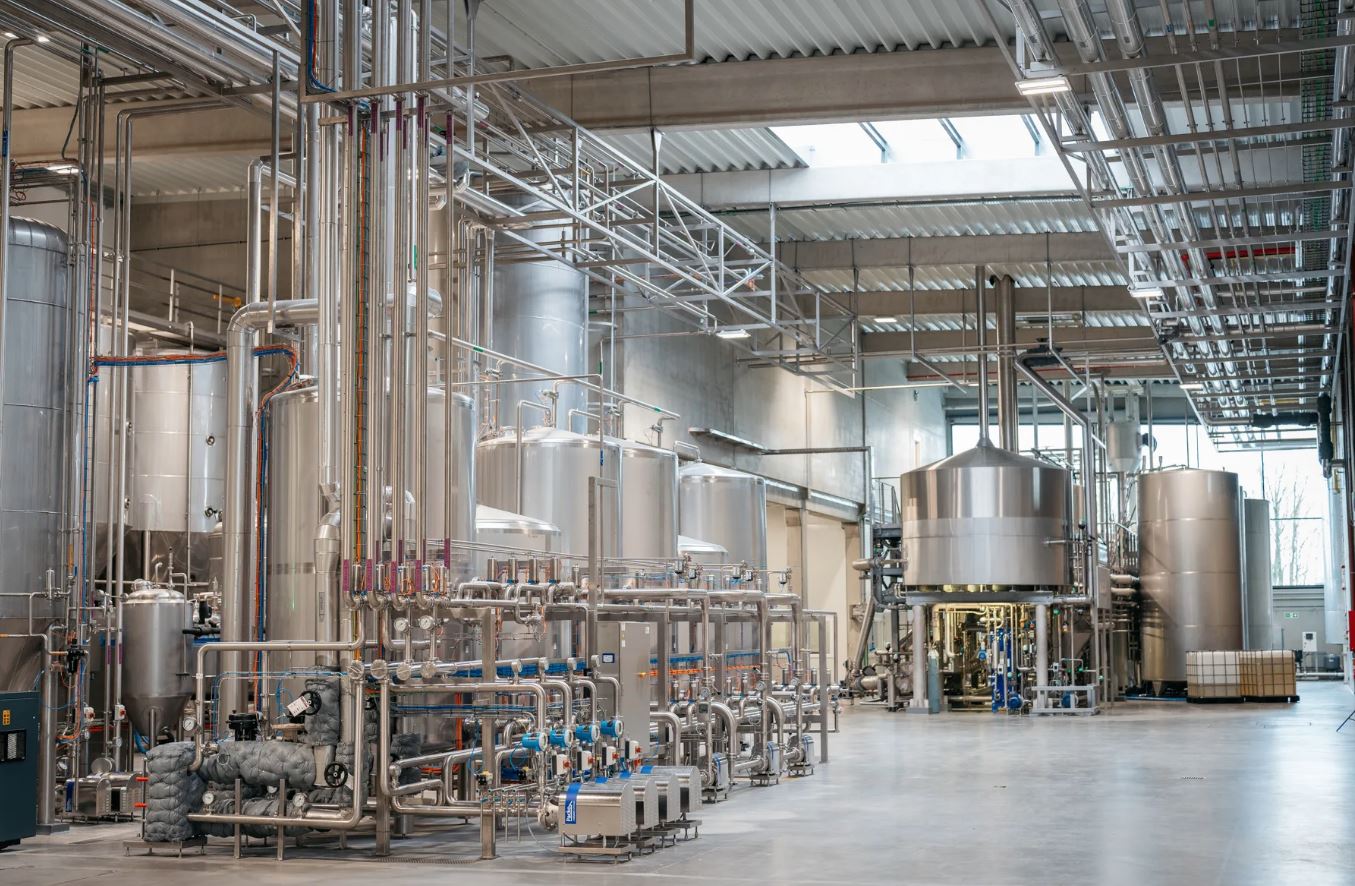
Advancements in brewing technology have elevated temperature control from guesswork to science. Modern espresso machines use proportional-integral-derivative systems that maintain water temperature within fractions of a degree. Beer fermenters are equipped with glycol jackets that regulate heat in real time, ensuring yeast remains within optimal conditions. Even home brewers now use temperature probes and digital scales once reserved for laboratories. Yet, precision alone cannot replace understanding. Machines may maintain consistency, but they cannot interpret flavor. The true craftsman learns how temperature interacts with environment, humidity, and ingredient quality. Innovation complements intuition rather than replacing it. As brewing becomes more technologically sophisticated, the human palate remains the final authority. The combination of mechanical accuracy and sensory awareness defines the new generation of brewers who treat temperature as both scientific variable and creative brushstroke in their art of expression.
Temperature and the Texture of Mouthfeel
Beyond aroma and taste, temperature plays a critical role in determining how a beverage feels. Mouthfeel, the tactile impression left on the palate, shifts dramatically with heat. In coffee, higher brew temperatures can produce heavier body, while cooler methods emphasize clarity and brightness. In beer, serving temperature affects carbonation perception and viscosity. A warm ale feels round and full, while the same beer chilled too cold may seem sharp and lifeless. Even foam behavior depends on temperature; proteins and carbonation interact differently under thermal stress. For tasting experiences, professionals often adjust serving temperatures according to style, allowing texture to complement flavor. This approach transforms tasting into a multisensory encounter, where touch and taste merge seamlessly. Texture, guided by temperature, becomes a dimension of storytelling, adding depth to what the tongue perceives and connecting sensation with emotional satisfaction.
The Role of Cooling and Preservation
Temperature not only creates flavor but also preserves it. In coffee storage, maintaining consistent coolness prevents oxidation and rancidity in oils. For beer, cold conditioning stabilizes aroma compounds and clarifies the liquid. Both crafts rely on cold to extend freshness without compromising complexity. Yet, cooling is more than maintenance, it refines expression. Cold fermentation in lagers, for example, enhances cleanliness, while cold-brewed coffee develops natural sweetness and reduced bitterness. However, improper storage or thermal fluctuations can undo even the finest work. Exposure to heat accelerates degradation, flattening vibrant notes into dullness. Brewers must therefore consider temperature not only in preparation but throughout the product’s lifespan. In doing so, they safeguard the integrity of craftsmanship. Whether in a refrigerated cellar or a temperature-controlled roastery, the preservation of flavor is an ongoing dialogue between time and temperature, each influencing the other in an eternal cycle of refinement.
The Human Element of Thermal Sensitivity
Although brewing science quantifies temperature in numbers and graphs, perception remains profoundly human. Our senses respond differently depending on temperature, influencing how we interpret flavor and aroma. Studies show that sweetness decreases as temperature drops, while bitterness and acidity become more pronounced. This means that a cold drink must contain greater sweetness to feel balanced compared to a warm one. Brewers and baristas learn these sensory relationships through experience, calibrating both product and service. A skilled barista adjusts brew time and water heat according to roast level, while a brewer tailors serving temperature to highlight a beer’s unique profile. The human palate, refined through repetition and curiosity, becomes the ultimate instrument of measurement. Technology may provide precision, but emotion and memory give context. The art of brewing perfection lies not only in data but in understanding how warmth and coolness shape our emotional connection to taste.
Environmental Factors and Temperature Control
External conditions often influence brewing outcomes more than brewers anticipate. Ambient temperature, altitude, and humidity interact with heat to modify extraction behavior. At high altitudes, water boils at lower temperatures, reducing extraction efficiency for coffee and tea. In hot climates, fermentation may accelerate beyond control, while cold environments slow yeast activity to near dormancy. Professional facilities use insulation, cooling jackets, and climate control to mitigate these effects, but traditional brewers often adapt through wisdom and timing. They adjust fermentation schedules, modify water ratios, or brew during specific times of day to harmonize with their surroundings. This adaptability transforms environmental challenge into creative opportunity. Temperature becomes not an obstacle but a collaborator, teaching patience and respect for natural rhythm. In this way, the craft remains rooted in nature, even as it reaches toward precision and technological mastery.
Serving Temperature and Consumer Experience
The final encounter between drink and drinker depends on presentation. Serving temperature determines how flavors reveal themselves in the moment of tasting. In coffee, serving slightly below boiling preserves comfort while accentuating complexity. Espresso served too hot can overwhelm taste buds, while too cool may seem flat. In beer, style dictates optimal temperature: lagers benefit from chill that enhances crispness, while darker ales bloom at warmer levels where malt and spice notes awaken. Sommeliers and baristas alike understand that temperature is the conductor of experience, dictating how quickly the drink opens, how long it lingers, and how deeply it resonates. The best establishments tailor service not by habit but by awareness, ensuring that each beverage arrives at its expressive peak. The result is not only satisfaction but education, inviting consumers to recognize how temperature completes the story of craft.
The Eternal Balance of Heat and Harmony
Temperature, though invisible, remains the most powerful element in brewing artistry. It shapes chemistry, guides fermentation, and dictates how flavor reaches the senses. Behind every perfect pour lies a series of decisions measured in degrees and seconds, each reflecting the brewer’s philosophy. Mastery of heat is less about control than about harmony, knowing when to apply restraint and when to embrace intensity. It requires respect for science and trust in instinct. The influence of temperature stretches from the first spark of heat to the final sip, connecting process, product, and perception in a single continuum. In this balance lies the essence of brewing perfection. Every brewer, whether roasting coffee, crafting beer, or refining tea, learns that heat is not an enemy but a companion, an artist in silence that shapes every moment of transformation with precision, patience, and quiet grace.